
Few shippers lose money on the origin-side ocean freight line — they lose it on the destination invoice: deconsolidation fees, dwell charges, inspection costs, document amendments, each clawing back the "low" quote. This article is not a definition of LCL. It covers three things: the true cost structure of consolidation, the five LCL traps specific to Africa and Middle East lanes, and when to walk away from LCL and book FCL. By the end you should be able to answer one question: should this shipment be consolidated at all?


The Mechanism First: Who Shares Your Container

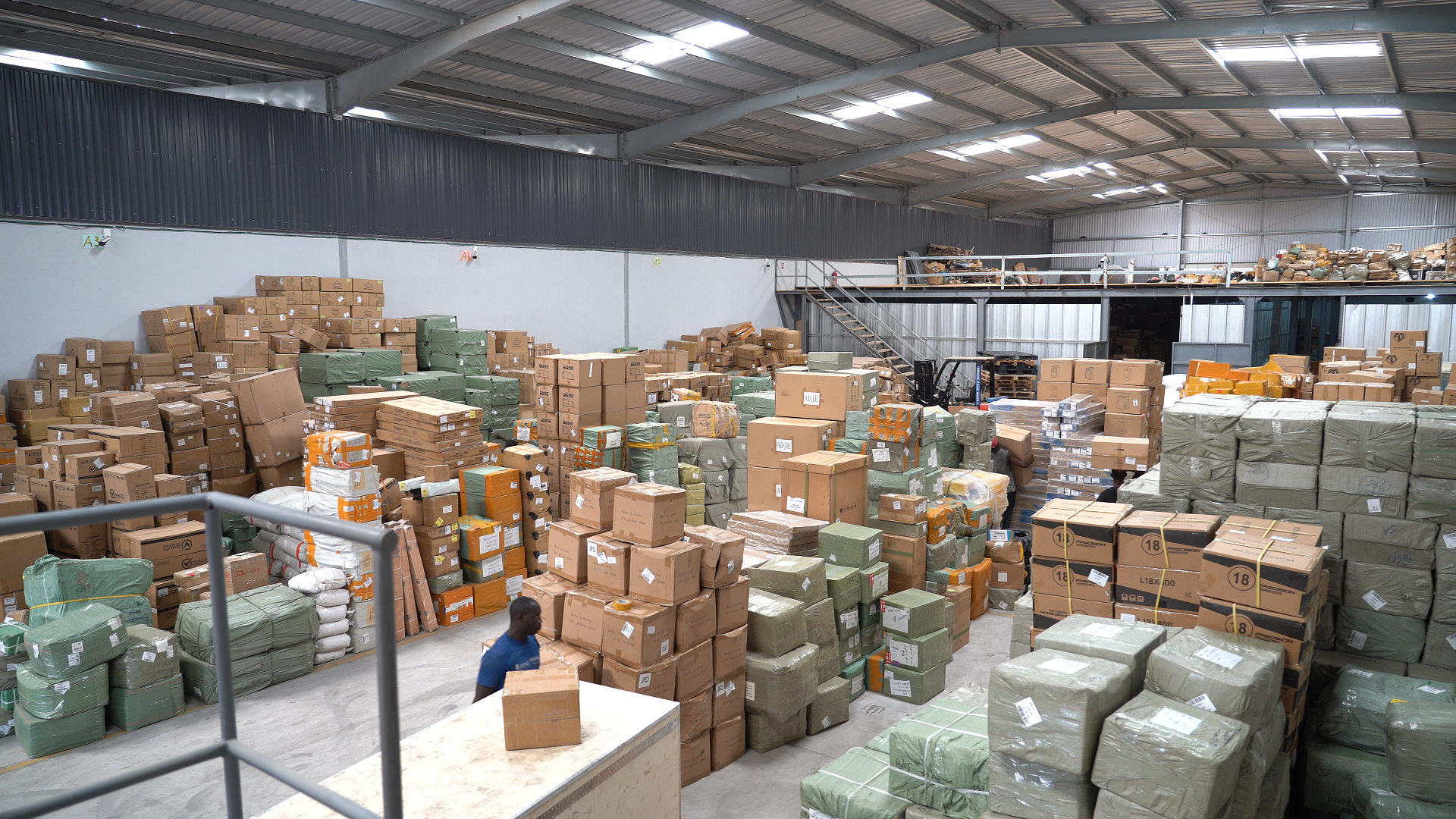
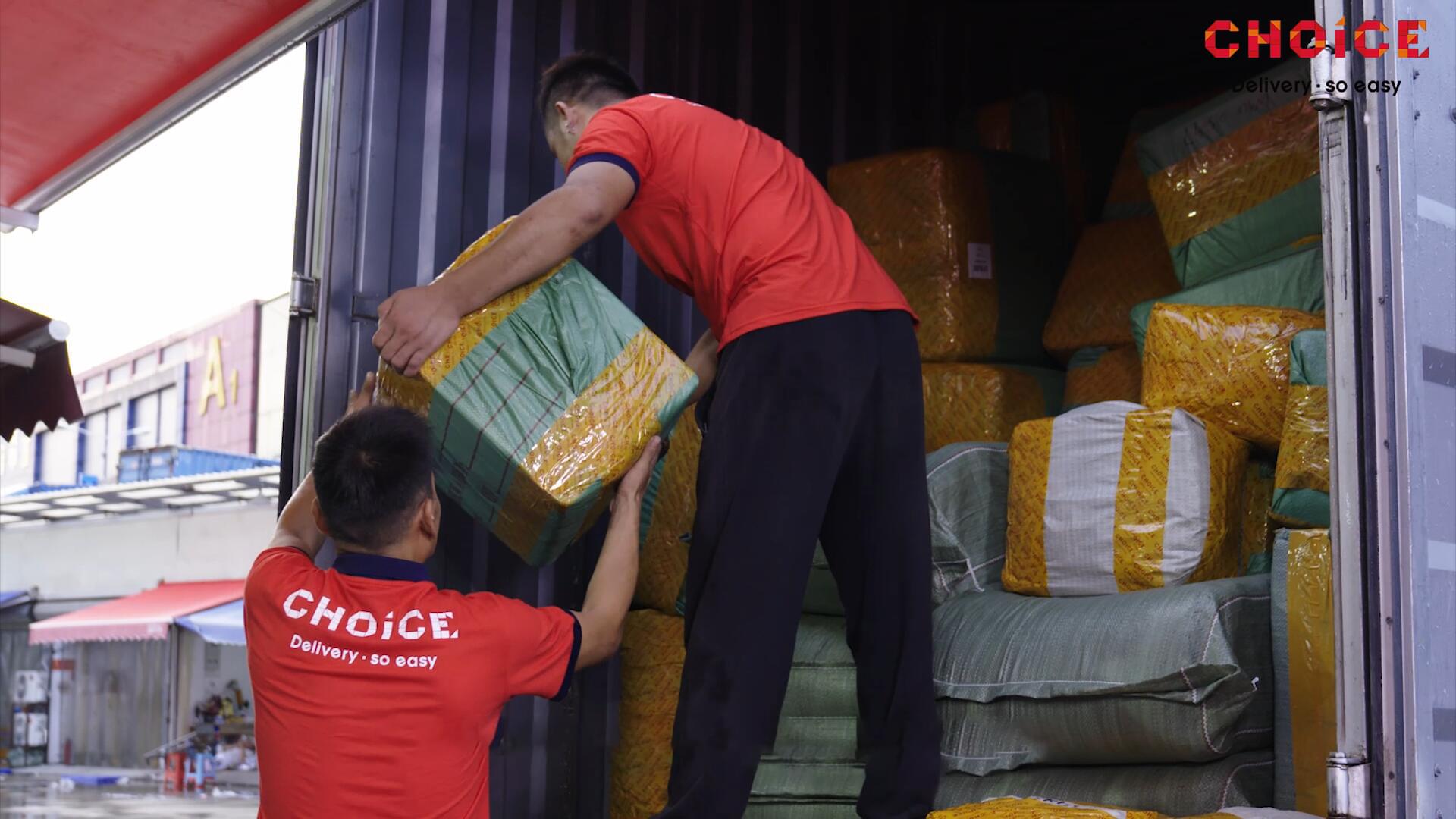
FCL is "your cargo, your box." LCL adds two pairs of hands: origin CFS consolidation (multiple shippers' cargo stuffed together by destination and stowage logic) and destination CFS deconsolidation (the container is devanned and each shipment released against its Bill of Lading). Shared container, more handling cycles, longer dwell — every rule and every trap below derives from this one fact.
Chargeable Weight: The W/M Rule
LCL is charged on the **greater of volume tons or weight tons** (W/M — Weight or Measurement):
- Volume ton: cubic meters occupied;
- Weight ton: gross weight in metric tons;
- Whichever is greater governs the charge.
A pure-ratio example (no prices involved): a shipment measuring 2 CBM and weighing 3 t is charged by weight; a shipment of 4 CBM and 800 kg is charged by volume.
Three practical notes: cartons are re-measured at the CFS — bulged boxes measure larger than nominal, and the warehouse measurement is the billing basis; irregular cargo is billed on longest × widest × highest, protrusions not exempt; measurement disputes are far cheaper to settle at receiving than after sailing.
The True Cost of LCL:
Ocean Freight Is the Small Part
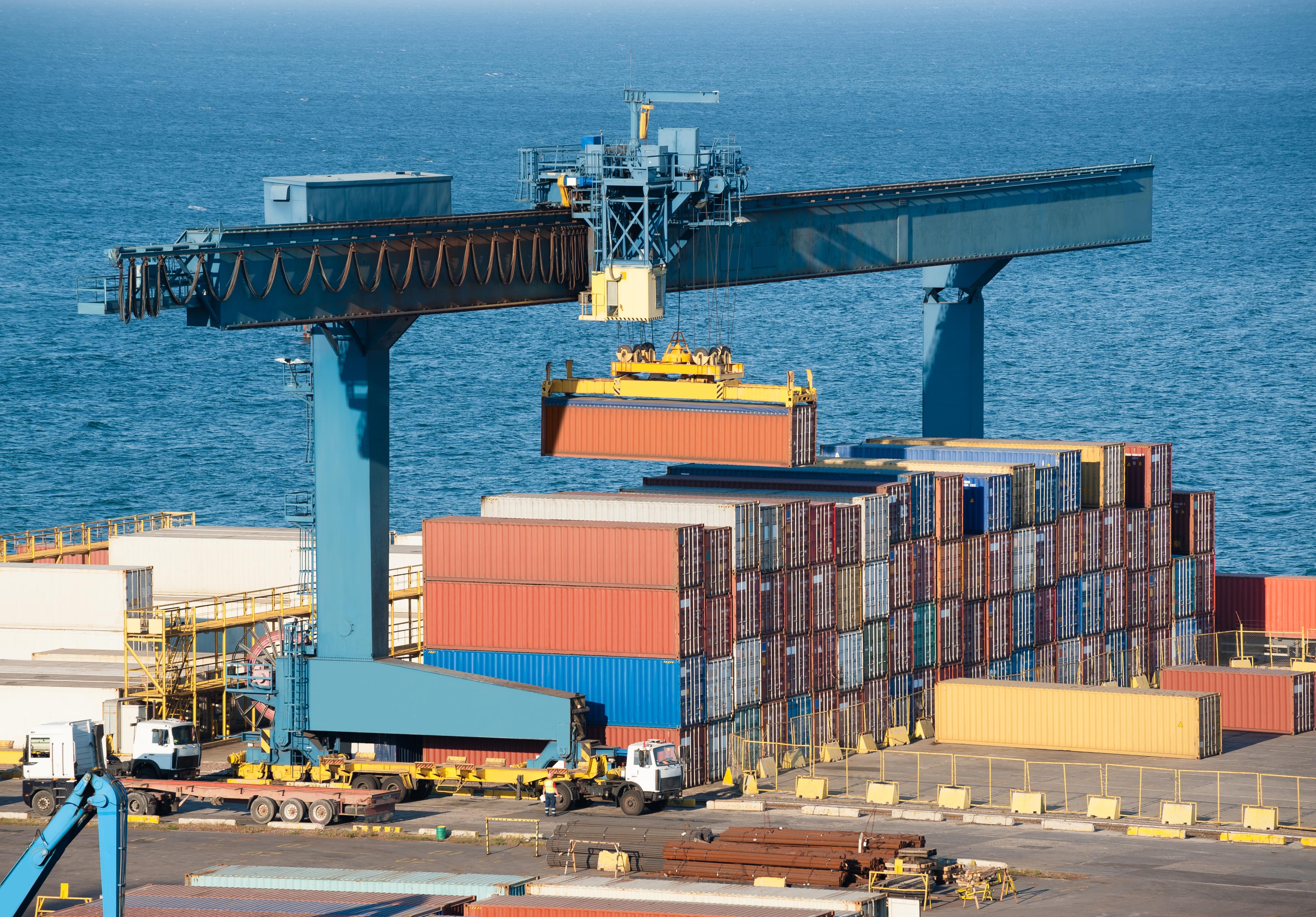
Shippers who compare only the ocean freight line give the difference straight back at destination. The complete LCL cost stack:
- Origin charges(CFS receiving, export customs declaration)
- Ocean freight(W/M basis)
- Destination charges(CFS deconsolidation, terminal handling, documentation) — charged per CBM/W/M with minimum fees, which inflates the per-CBM average on small shipments
- Duties & inland delivery
The trap's shape: a very low origin-side LCL quote is often recovered through destination charges — especially on FOB terms where the African buyer pays destination costs. "Surprised consignee" disputes happen every single year on this lane.
Two takeaways:
1. Compare total delivered cost — or at minimum, ask for the destination charge breakdown and its minimums;
2. On FOB sales, brief your consignee on destination charges before shipping — you're saving a client relationship, not money.
Five LCL Traps Specific to
Africa & Middle East Lanes

Minimum Charges Inflate Small Shipments
Destination CFS and port charges carry minimums (minimum CBM or minimum amounts). On a 1–2 CBM shipment those minimums inflate the per-CBM cost several times above a 10 CBM shipment — putting such small lots much closer to the FCL crossover point than expected. Ask for the minimum-charge thresholds explicitly; low quotes rarely volunteer them.
Missing Documents → Stuck Cargo → Dwell Fees Accrue DailyLCL
cargo leaves the CFS only after customs release. Incomplete documents — Nigeria's Form M and SONCAP, Kenya's PVoC and IDF, Saudi Arabia's SABER — leave cargo sitting in the warehouse past the free period, accruing daily, per-CBM charges that rise in peak season. This isn't the destination agent extorting anyone; it is how the system works: documents are an origin-side task, not a destination-side rescue. Put the destination document checklist into your pre-shipment routine — the three to four weeks at sea are exactly the window to get certificates done.
One Shipment Inspected, the Whole Container Delayed
A rarely-discussed property of LCL: customs examination happens at container level — if any single shipment in the box is flagged, deconsolidation of the entire container can stall, and your clean cargo waits with it. Under-declaration therefore harms your neighbors, not just the offender. It also gives you a hidden criterion for choosing a consolidator: do they segregate by commodity category, do they refuse obviously under-declared cargo? Loosely managed CFS runs a higher chance of collateral delays.
The Documentation Handoff Gap
The LCL clearance chain has more links than FCL: carrier → CFS → destination agent → consignee (or their broker). Any link unaware of what the next one is waiting for leaves cargo idle, accruing charges. Before shipping, confirm three things with your consolidator: which agent deconsolidates at destination, whether the consignee's broker has been synced, and how and when documents (B/L, packing list, invoice, certificates) reach the destination side. A quote without a document-handoff plan is a quote with the risk parked at destination.
LCL Transit Is Volatile — Worst in Peak Season
LCL carries two built-in waits — consolidation at origin and deconsolidation queues at destination — normally 3–7 extra days versus FCL, and both stretch in peak season. Cargo needed for Ramadan or Christmas should never be a consolidation bet: ship it early enough, or move that portion by FCL or air. Plan LCL timelines as FCL-plus-a-week at baseline, more in peak season.
When to Walk Away from LCL and Book FCL
Three signals — any one of them justifies evaluating a full container:
1. Volume approaches half a container: per-CBM pricing converges toward a dedicated box — past that point FCL is usually both cheaper and safer;
2. The cargo fears co-tenancy: food-contact goods, branded products, precision equipment — FCL exclusivity removes the shared-container risk entirely;
3. Many pieces, mixed sizes: every extra handling cycle compounds damage probability; FCL removes them all.
The heavy-vs-bulky stowage logic (why a 20GP can beat a 40GP) is developed fully in our construction materials guide.
What Can't Be Consolidated —
and What Needs a Warning Label
Usually refused for LCL:
- Inadequately packed cargo (it damages itself and the neighbors);
- Unmarked, unidentifiable cargo;
- Odor- or leak-prone cargo that can contaminate others;
- Live animals (quarantine procedures don't fit consolidation);
- Temperature-controlled cargo.
Declare in advance — possibly surcharged or refused:
- Dangerous goods: classified into nine classes under the IMDG Code; LCL acceptance is far lower than FCL, and most consolidation services refuse DG outright;
- Overlong / overheight pieces: beyond door dimensions or handling limits — expect refusal or a special-cargo referral;
- Overweight pieces: beyond single-piece handling limits;
- Non-stackable cargo: uneven tops or weak cartons occupy exclusive space and attract handling fees.
One action covers all of it: declare the cargo in full at booking — name, weight, dimensions, packing form, batteries/liquids/powders. Problems discovered at receiving are always solved the most expensive way.
Four Packing Rules

1. Wood packaging must be ISPM 15 compliant: fumigated or heat-treated pallets and crates bearing the IPPC mark — non-compliant wood packaging is detained, returned or destroyed in most countries, and LCL inspection rates run higher than FCL;
2. Shipping marks: clear and unique: destination port, consignee code and piece numbering (1/12, 2/12 …) on every carton — the deconsolidation warehouse sorts by marks; missing or duplicate marks are the #1 cause of mis-delivered cargo;
3. Moisture and odor protection: container condensation is normal on long hauls — line cartons with poly film; odorous goods (leather, chemical samples) must be individually sealed;
4. Palletize and declare stackability: palletize what can be palletized (fewer loose pieces to lose), state stacking limits, and declare non-stackable tops in advance to avoid receiving-time surcharges.
Get Quotable: 8 Items

1-Product Name and Purpose (Descriptions such as “accessories/parts” will only result in repeated confirmations)
2-Quantity, Individual Dimensions (Actual Measurements), Gross Weight
3-Total Volume (CBM) and Packaging Type (Cardboard Box/Wooden Crate/Pallet)
4-Loading City and Available Delivery Date
5-Port of Destination or Destination City
6-Trade Terms (Who pays the port of destination charges)
7-Special Characteristics: Whether the shipment contains batteries, liquids, powders, wooden packaging, or irregularly shaped items
8-Document Status at Port of Destination: Has the consignee obtained all necessary import qualifications and certificates for that country (Form M / SONCAP / PVoC / SABER, etc.)? — This determines whether the goods will be picked up upon arrival or stored in the warehouse and charged accordingly
What CHOICE Shipping can do on this lane

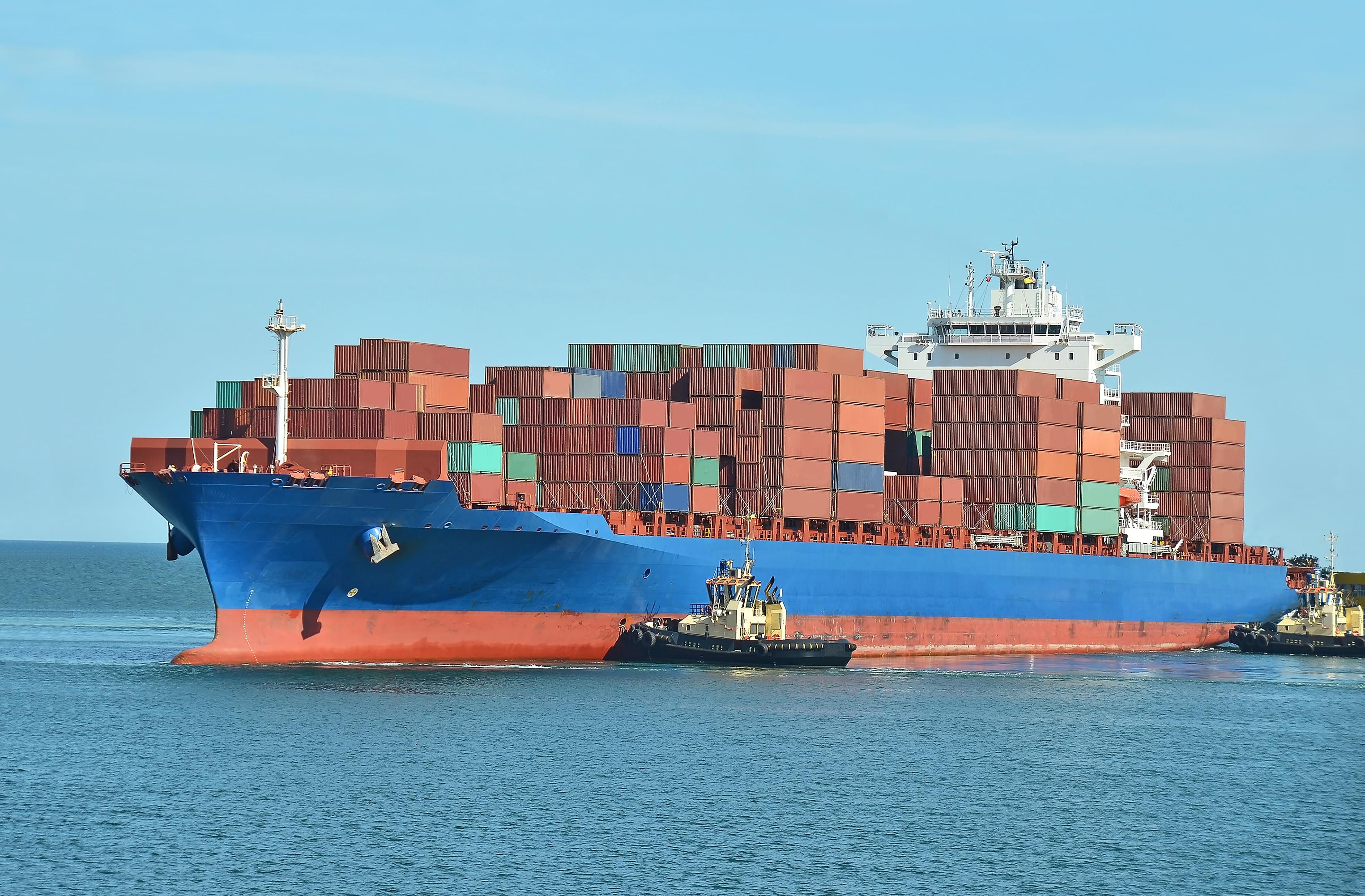
CHOICE SHIPPING has specialized in Africa and Middle East lanes for 29 years — consolidation is a core product:
- Self-operated origin consolidation across major Chinese ports, with separate stowage plans for heavy and light-bulky cargo;
- Destination-charge transparency: every quote itemizes CFS fees and minimums — no "we'll see at destination";
- Coordination with destination agents on consignee documents (Form M, PVoC, SABER) to prevent CFS dwell;
- Honest dual-track advice: as volume nears the crossover point, we recommend FCL — even when LCL would pay us more.
Schedules and rates are confirmed case by case. LCL consolidates more than cargo — it consolidates trust. That is the logic behind 29 years on this lane.
CHOICE,Delivery So Easy
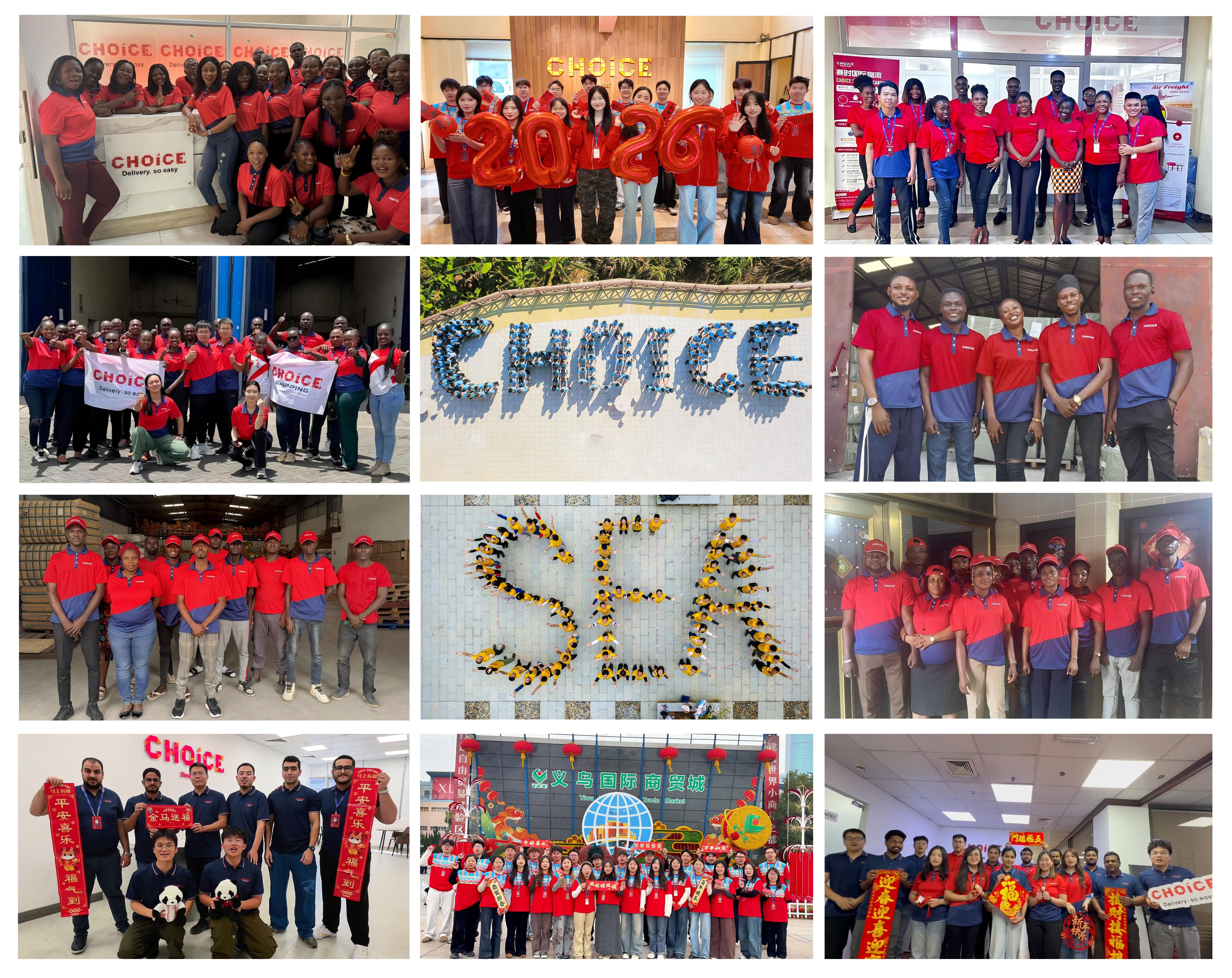
CHOICE Supply Chain Technology Co, Ltd . was establishedin 1997 and has 29 years of experience in Africa&Middle-east logistics. We have already established more than 10 wholly-owned branches in Africa&Midle East, namely Kenya, Rwanda, DRC, Cameroon, Nigeria, Ghana, Côte d'Ivoire, Saudi Arabia, UAE. CHOICE can provide Groupage Service,Full Container Service,Overseas Warehouse Service for our customers. If you have freight transportation needs, welcome to contact us. Tel: 400-613-8847.


Choice Groupage service
Daily/Weekly schedule
Cargo security guarantees
Professional warehousing in China and Africa
With powerful specialized custom clearance team
With 29 years’ experience in sea freight consolidation service
Contact us:400-613-8847

CHOICE International Freight, focusing on cross-border logistics in Africa & the Middle East. Founded in 1997, with 29 years of logistics experience, it provides one-stop cross-border logistics services such as air transportation, sea transportation, and overseas warehousing.
Tel: 400-613-8844