
A 3.2-metre-wide wheel loader. A 28-tonne transformer. The first question is never "how much". It is "will it fit".Pick the wrong route and you do not just pay more freight. You pay terminal storage, on-site rework, and the days your project sits waiting for equipment.This guide works in three layers: will it fit a container, what to use when it will not, and what waits for you at the destination port.
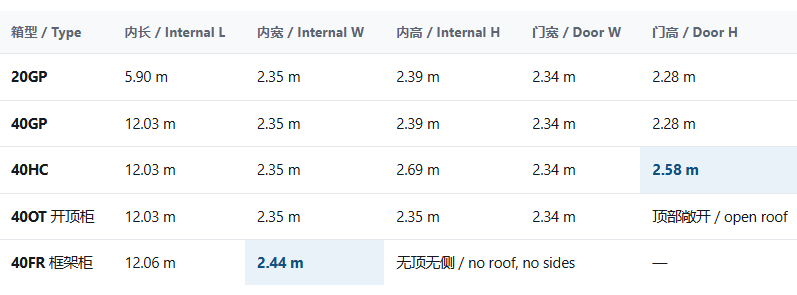
Container internal dimensions are standardised. Figures are typical — confirm against the container's nameplate.
· Check one
Anything wider than 2.34 m will not enter a closed container or an open top.This is a hard limit. The door frame is 2.34 m wide. Nothing wider passes, however thin it is. And this means the actual silhouette at the doorway, not the nominal width in the spec sheet — handrails, mirrors, exhaust stacks, exposed hydraulic lines, and the timber bracing on a crate all count.Width leaves you exactly two options: flat rack or break bulk. An open top does not help. It solves height.
· Check two
Anything taller than 2.58 m needs an open top — or a flat rack.An open top has no roof. The cargo is craned in from above and covered with a tarpaulin. Between roughly 2.58 m and about 3 m, an open top usually beats a flat rack, because it is rated as a standard container with only an open-top surcharge added.
· Check three
Anything longer than 12 m is beyond a flat rack too.A 40-foot flat rack deck is 12.06 m. Beyond that, the cargo overhangs — which immediately triggers oversized surcharges and complicates vessel stowage, because the carrier has to free up the slots in front of and behind it.Past roughly 13 m, or when a single piece runs into tens of tonnes, break bulk becomes the realistic option.
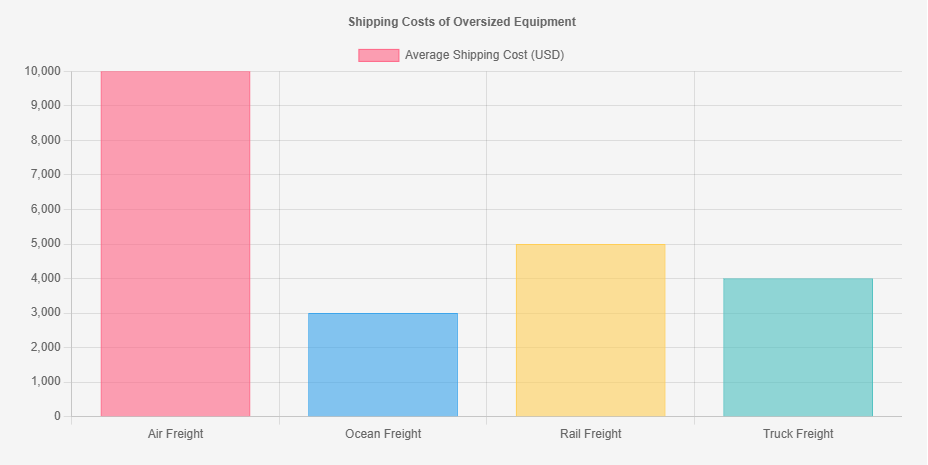

The real cost is not the ocean freight
Declared dimensions that do not match
Carriers and terminals re-measure, particularly flat racks. Declare 3.0 m, measure 3.2 m, and the sequence is: amendment, re-rating, back-billed surcharge — and in the worst case, rolled cargo. The goods are at the terminal. The vessel has sailed.
Lifting and securing
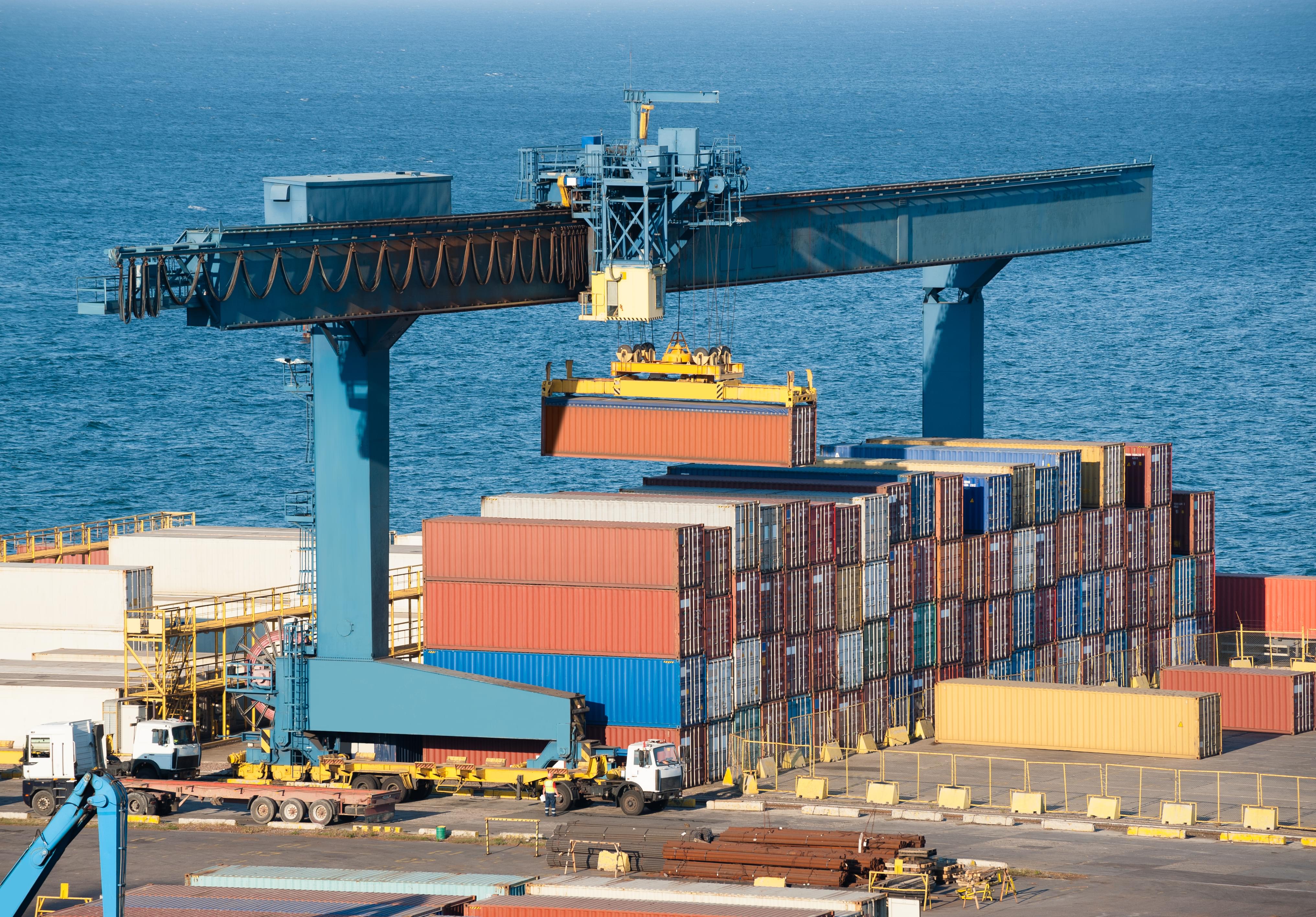
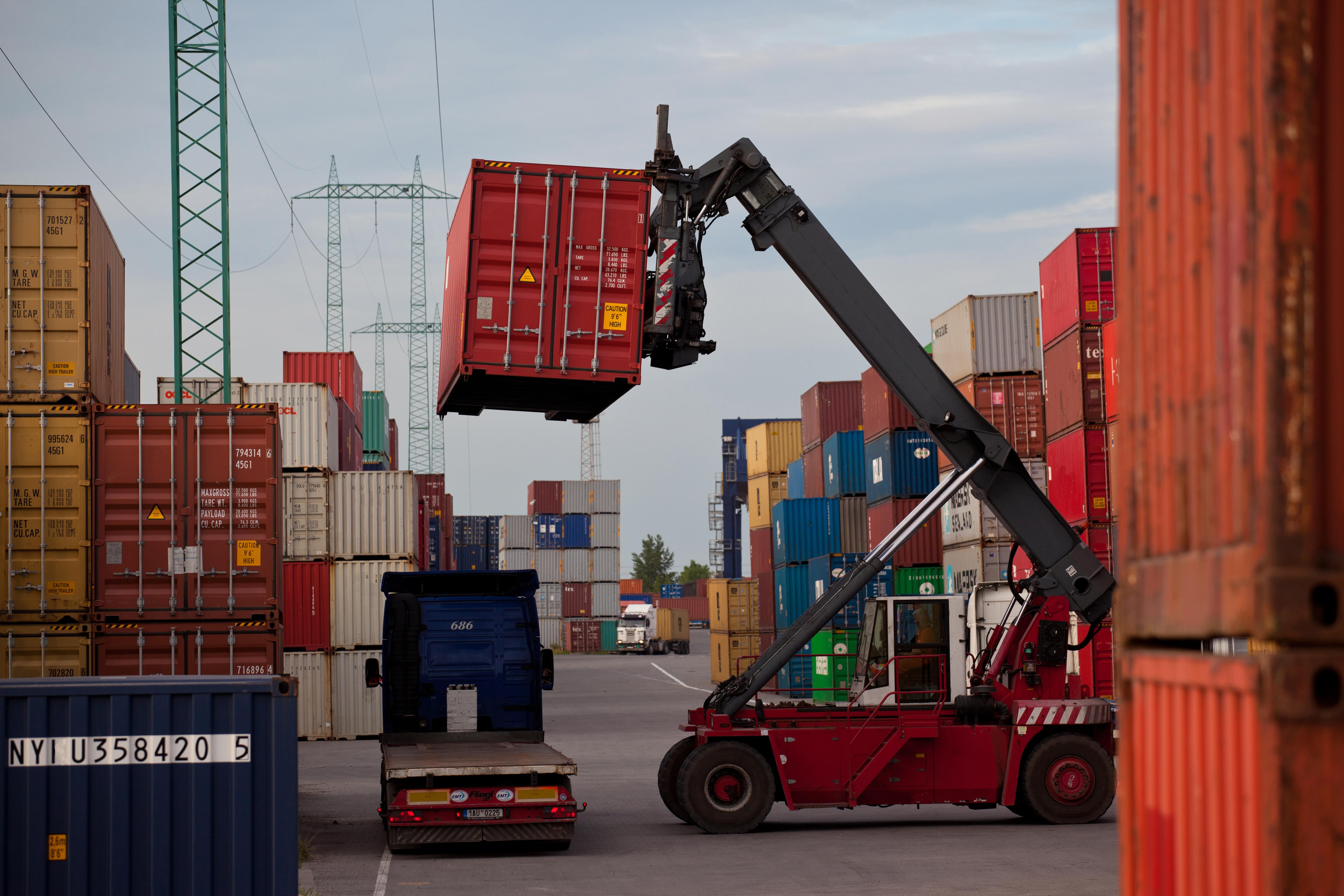
Flat racks and break bulk both get craned. Craning needs three inputs: piece weight, centre of gravity, and lifting points.Missing any one and the port will not lift. Centre of gravity matters most — an offset load tilts in the air, and a mismatched spreader beam damages the cargo or injures the crew. Ask the factory for the CoG and lifting drawing at booking stage, not the day before loading.Securing must follow the CSS Code, matching the maximum securing load of the lashings against the inertial forces the cargo will see. The carrier or a specialist lashing crew produces that plan — confirm that one actually exists, rather than a few straps applied by feel on the day.
SOLAS requires a Verified Gross Mass for every loaded container before shipment. Oversized cargo is frequently overweight too, and the consequences cascade:
Above the container's rating → swap the unit or re-stow
Above the carrier's stowage limit → refused for loading
Above the destination road axle limit → an oversize permit is needed before the truck leaves the port
The third gets missed most often, because it does not happen at sea. It happens at the destination gate.
The destination port is the real bottleneck

Ocean freight is one line of the total cost. Inland transport and lifting at destination are usually the other half.
West Africa: Terminal yards are tight and port clearance is slow. For oversize cargo, every extra day stored at the port racks up yard storage charges. Most oil & gas project cargo moves via Onne, as its free zone policies and heavy-lift capabilities are a better match.
Additionally, Lagos imposes daytime restrictions on oversize transport vehicles. Over-dimensional trucks must file notifications and travel only within designated time windows. Without prior arrangements, your cargo cannot exit the port even after customs clearance.
East Africa: Mombasa serves as the common gateway for Kenya, Uganda, Rwanda and South Sudan. Cargo bound for Nairobi, Kampala and Kigali follows the Northern Corridor, where axle load is the real bottleneck. Weighbridges are located along the route; overloaded shipments will need to be unloaded and repacked or obtain over-dimensional permits.
For landlocked countries such as Rwanda and Burundi, you also need to factor in transit declarations and queuing delays at the Malaba / Busia border crossings.
Middle East: Jebel Ali boasts the best heavy-lift facilities, yard space and free zone benefits in the region, and is widely used as a regional hub. Cargo arrives in Dubai first, then moves under bond by land into Saudi Arabia, or is re-exported to East Africa.
A critical reminder: it is a common misconception that “delivery to Dubai wraps everything up”. For cargo entering Saudi Arabia, import declarations and product certifications (SABER is required for regulated items) on the Saudi side are still mandatory.
For project cargo heading to eastern destinations, Dammam / Jubail offers a more direct route; Jeddah is the choice for western destinations. Picking the wrong port means inland transport costs will wipe out any savings you made on ocean freight.
Three mandatory checks before booking:
1. Whether the destination port has heavy-lift equipment with sufficient lifting capacity for the individual unit weight
2. Whether the terminal yard can accommodate over-dimensional cargo and the maximum permitted storage duration
3. Whether there are vehicle restrictions in the destination city, who is responsible for securing over-dimensional permits, and the lead time required
Quotations are meaningless without these confirmations. Several ports in Africa lack heavy-lift capacity. Cargo may have to be transloaded at a transit port or even handled by floating cranes. This segment is most frequently underestimated and the top cause of budget overruns during execution.
Eight things to prepare before you ask for a rate
1 L × W × H per piece, packaging included, widest point
2 Gross weight per piece, and total
3 Centre of gravity and lifting points (a drawing is better)
4 Whether it dismantles, and how far
5 Whether it is self-propelled (this decides RoRo eligibility)
6 Factory address and full destination address
7 Commodity, HS code, and whether regulated at destination
8 Whether you need destination clearance and door delivery

What CHOICE Shipping can do on this lane
People at destination. Eleven branches and offices across Africa and the Middle East — Kenya, Nigeria, Ghana, Côte d'Ivoire, Cameroon, DR Congo, Rwanda, Tanzania, Uganda, Saudi Arabia and the UAE. Most oversized problems surface at the destination port, and being there is not the same as corresponding from a distance.
Space can be coordinated. CHOICE holds space agreements with Maersk, CMA, MSC, PIL and COSCO, which matters when flat racks and open tops are short.
Bilingual operations end to end — factory pickup, export declaration, destination clearance and final delivery, as individual legs or as one scope.
CHOICE,Delivery So Easy
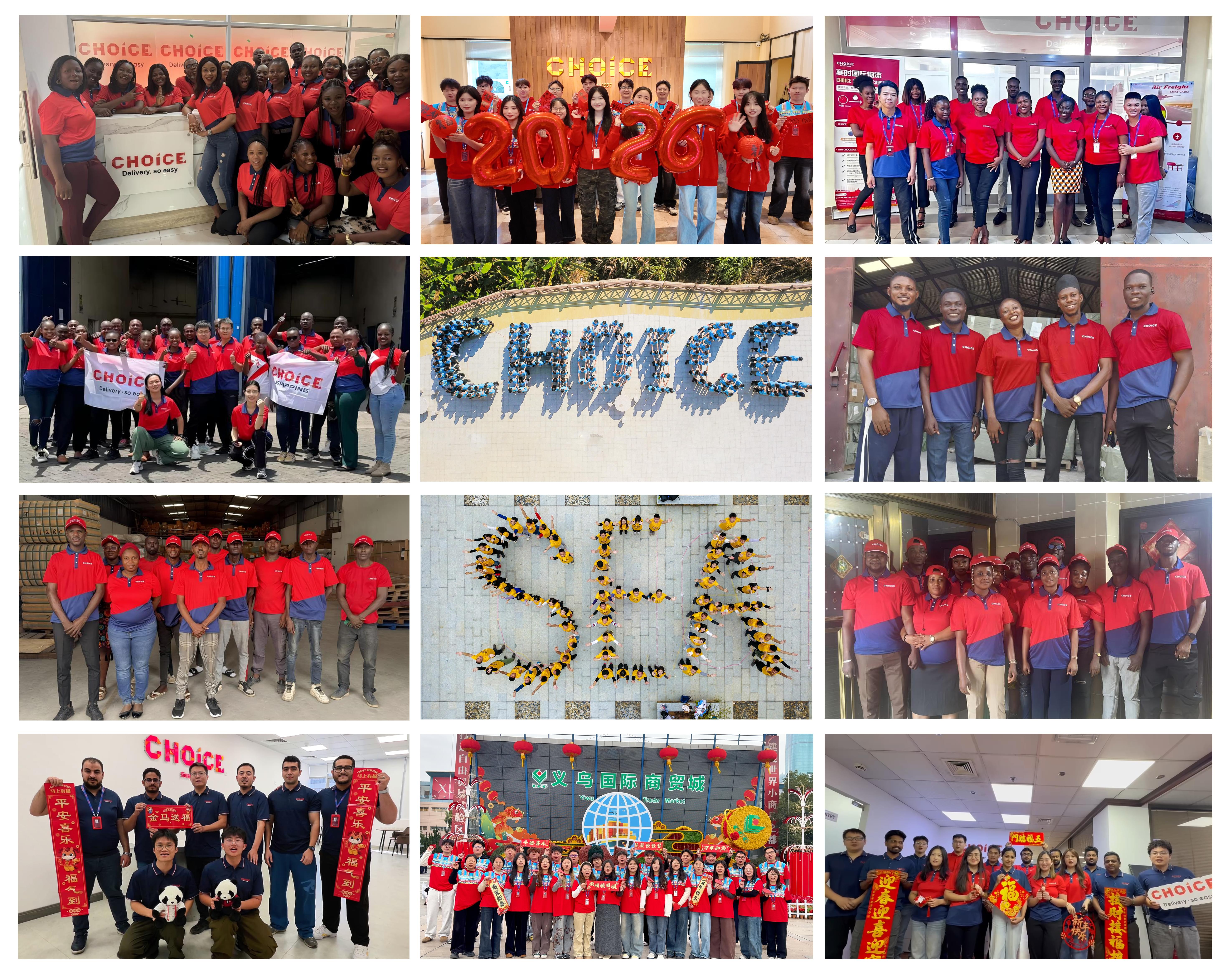
CHOICE Supply Chain Technology Co, Ltd . was establishedin 1997 and has 29 years of experience in Africa&Middle-east logistics. We have already established more than 10 wholly-owned branches in Africa&Midle East, namely Kenya, Rwanda, DRC, Cameroon, Nigeria, Ghana, Côte d'Ivoire, Saudi Arabia, UAE. CHOICE can provide Groupage Service,Full Container Service,Overseas Warehouse Service for our customers. If you have freight transportation needs, welcome to contact us. Tel: 400-613-8847.


Choice Groupage service
Daily/Weekly schedule
Cargo security guarantees
Professional warehousing in China and Africa
With powerful specialized custom clearance team
With 29 years’ experience in sea freight consolidation service
Contact us:400-613-8847

CHOICE International Freight, focusing on cross-border logistics in Africa & the Middle East. Founded in 1997, with 29 years of logistics experience, it provides one-stop cross-border logistics services such as air transportation, sea transportation, and overseas warehousing.
Tel: 400-613-8844