As global fertility rates continue to drop and newborn population growth slows across Japan, South Korea, Europe, and most major economies, the traditional Maternity and Baby Market is losing its momentum. Globally, few regions still boast stable high birth rates alongside the potential for sustained market expansion—and the Middle East is a prime example. Fueled by a youthful demographic, exceptional family spending power, and a strong demand for imports, the Middle East Maternity and Baby Market is consistently unlocking new opportunities, making it a highly sought-after blue ocean for cross-border sellers.

Maternity and Baby Market Potential

High birth rates create
massive market demand
According to World Bank data, the MENA (Middle East and North Africa) region expects approximately 8.8 million newborns in 2026. Children aged 0-14 account for 32% of the population, well above the 25% global average. While birth rates continue to decline in mature markets like Europe and the US, the Middle East's high-fertility advantage is prominent. This massive potential consumer base ensures the local maternity and baby market will maintain rapid growth over the next decade.
High incomes fuel
strong consumer spending.
Take the GCC (Gulf Cooperation Council) countries as an example: with a 2025 GDP per capita ranging from $19,500 to $77,300, they boast strong purchasing power. Middle Eastern families are highly willing to invest in childcare, spending about 3 to 5 times more per child annually than their Western counterparts. This drives a robust demand for high-end maternity and baby products, early education, and related services.
Weak Local Supply,
High Import Reliance
Due to a limited local manufacturing base, the Middle East relies heavily on imports for maternity and baby products. As the Belt and Road Initiative deepens, China has become the region's primary supplier, accounting for 35% of total imports. This creates significant profitability opportunities for Chinese businesses entering the market.
Key Product Categories

Getting a share of the massive Middle Eastern market starts with precise product selection. Middle Eastern families generally have multiple children and place great emphasis on their growth experiences. From high-frequency daily consumables to stylish durable goods, these four major categories are currently showing explosive growth:
Basic Consumables (The Essential Base)
Infant feeding essentials (baby bottles, pacifiers, bottle warmers, etc.); diapers and wipes (high-frequency consumption with a massive user base); and rapidly growing demand for high-end baby formula.
Durable Products (Focus on Quality and Design)
High-landscape, convertible baby strollers and car seats; baby cribs and bedding that prioritize material safety and aesthetic design.
Toys and Early Education
(Focus on Cognitive Development)
Companion toys such as building blocks, puzzles, and smart educational toys; outdoor activity toys like scooters and trampolines are also highly popular.
Maternity Products (Rising Self-Care Demand)
Postpartum care essentials including breast pumps and nursing wear; specialized soothing accessories and massage care products are increasingly favored by mothers.
Consumer Buying Trends
Understanding local consumer preferences is the key to successfully penetrating the market:
Quality First, Natural Ingredients Preferred: Middle Eastern parents highly value product quality, favoring baby care products and foods that feature natural, non-toxic ingredients and hold recognized international certifications.
Fashion Meets Function: For clothing, they appreciate exquisite designs that blend traditional elements with global fashion trends. Overall, their product aesthetic leans toward European styles.
Digital Parenting: Social media is a crucial channel for Middle Eastern parents to discover parenting information. Content marketing and influencer recommendations effectively drive their purchasing decisions.
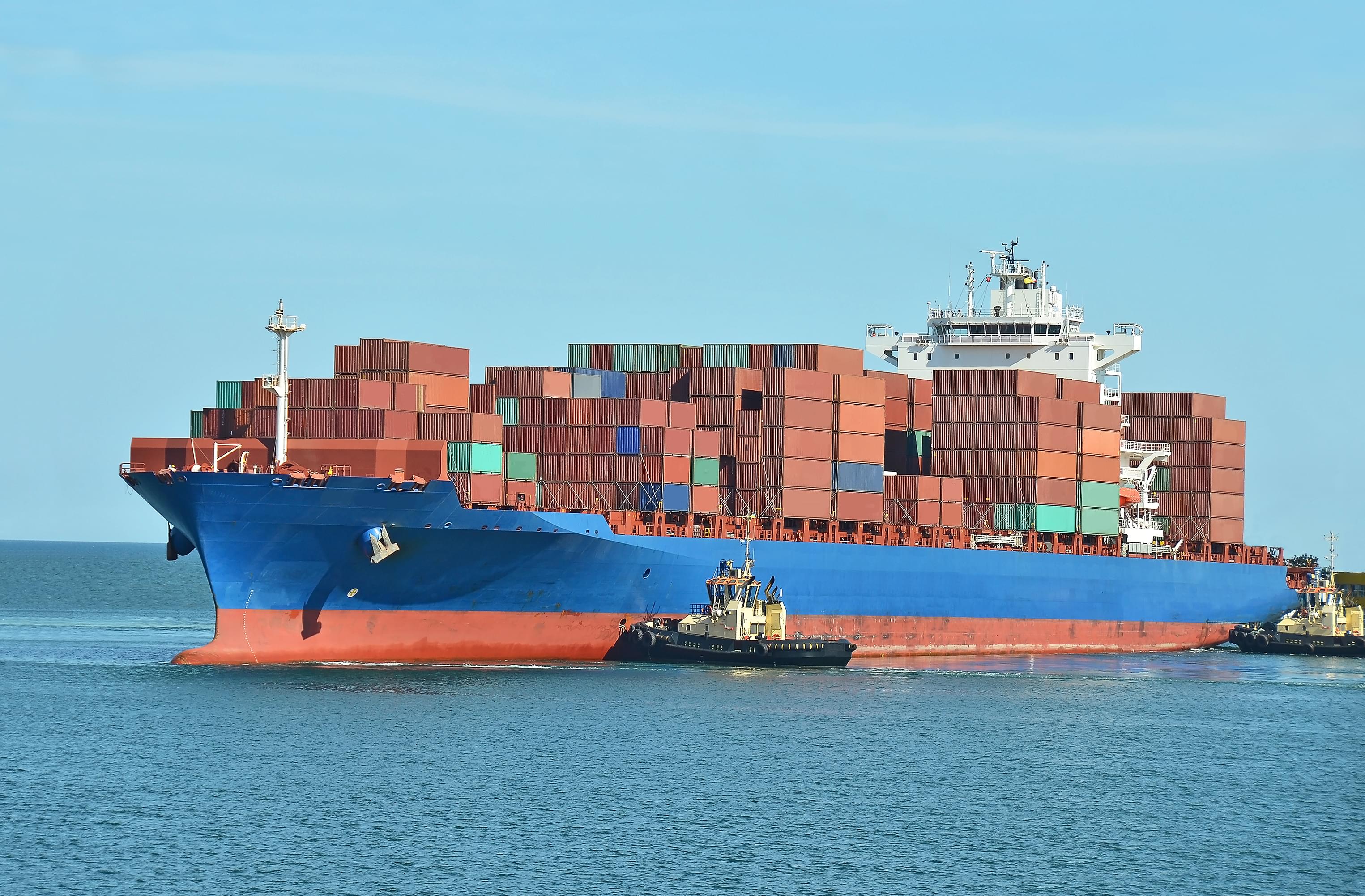
While the Middle East is a promised land for maternity and baby brands going global, immense opportunities are accompanied by hidden risks. For maternity and baby goods, long-distance transit delays and complex customs clearance at the destination port are often the biggest roadblocks for sellers. To seize the market advantage, a stable and efficient logistics channel is absolutely essential.
CHOICE,Delivery So Easy
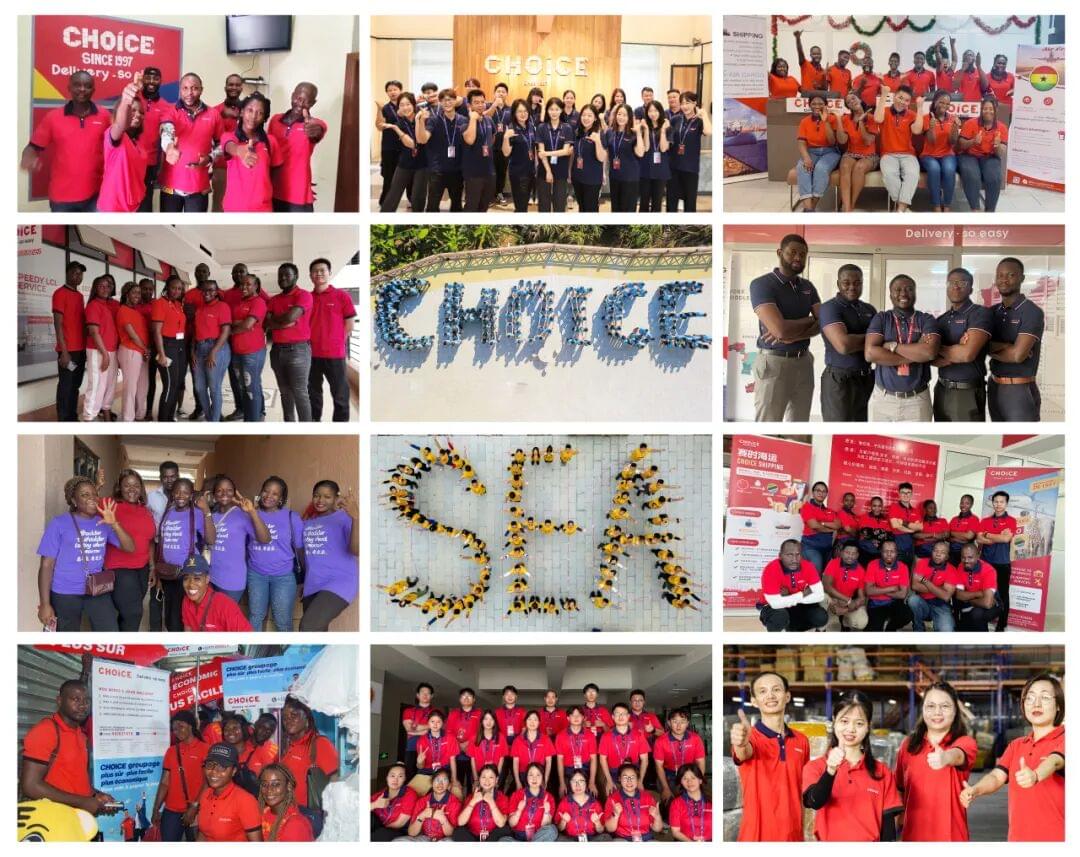
CHOICE Supply Chain Technology Co, Ltd . was establishedin 1997 and has 29 years of experience in Africa&Middle-east logistics. We have already established more than 10 wholly-owned branches in Africa&Midle East, namely Kenya, Rwanda, DRC, Cameroon, Nigeria, Ghana, Côte d'Ivoire,Tanzania, Saudi Arabia, Dubai. CHOICE can provide Groupage Service,Full Container Service,Overseas Warehouse Service for our customers. If you have freight transportation needs, welcome to contact us. Tel: 400-613-8844.

Choice Groupage service
Daily/Weekly schedule
Cargo security guarantees
Professional warehousing in China and Africa
With powerful specialized custom clearance team
With 29 years’ experience in sea freight consolidation service
Contact us:400-613-8844

CHOICE International Freight, focusing on cross-border logistics in Africa & the Middle East. Founded in 1997, with 29 years of logistics experience, it provides one-stop cross-border logistics services such as air transportation, sea transportation, and overseas warehousing.
Tel: 400-613-8844