Be proactive,observation, and act decisively——Bold Brands
NielsenIQ (NIQ) has published its annual Consumer Outlook: Guide to 2026, offering a strategic roadmap for brands navigating a volatile and fast-evolving market.
The findings reveal that consumers in Saudi Arabia have become more adaptive to ongoing change, with growing emphasis on values-driven purchasing.Features such as environmental sustainability, organic certification, cruelty-free testing, and the absence of artificial ingredients are playing a more significant role in purchase decisions.

The Core State of Saudi Consumers
Financial outlook: cautiously optimistic, with confidence exceeding the global average
Saudi Arabian consumers (44%) expressed that their household finances are better off than a year ago.
And, in terms of financial outlook, 71% expect their household financial situation to improve by the beginning of 2026.
This cautious optimism suggests increasing consumer confidence in future economic conditions, potentially driven by expectations of better job stability, rising income levels, or easing inflation.
Most concerned about price rises caused by global conflicts
While rising prices in food and utility bills are still a concern for Saudi consumers (19%), the issues of global conflict, crisis escalation, and war over the next six months were identified as their biggest concern (29%).
The Q4 peak season competition is a comprehensive test of supply chain, inventory, and logistics capabilities.
Strategic Shopping: A Shift Toward Value and Intentional Consumption
As household expenses evolve, many Saudi consumers are thoughtfully reassessing their shopping habits, especially when it comes to groceries and everyday essentials.
A growing number (34%) are embracing smart choices by opting for more affordable brands, reflecting a shift toward value-driven decision-making.
This trend highlights an exciting opportunity for retailers: those who offer quality-focused, budget-friendly alternatives are well-positioned to build trust and loyalty among increasingly savvy shoppers.
At the same time, consumers continue to monitor their basket cost by shopping more often at discount/value or lower priced shops (41%) or turn to online shopping to get better deals (30%) and focus on essentials (29%).
Notably, 51% of respondents agreed with the statement: "I only buy what I know I'll use to avoid waste."
This reflects a heightened awareness around sustainability, financial discipline, and responsible consumption. Whether motivated by economic pressures or environmental values, consumers are prioritizing:
Essential purchases over discretionary items
Reduced impulse buying
Minimizing waste in daily consumption
Key Focus –Strategic Recommendations
Consumer confidence in Saudi Arabia is rising, with financial optimism far exceeding the global average (30%). This is driving greater discretionary spending, demand for premium products, and openness to innovative retail, aligning with KSA’s Vision 2030.
Shoppers are increasingly value-driven, opting for larger pack sizes and prioritizing cost efficiency.
Health-conscious choices are also growing, with 23% seeking plant-based and organic options.
Digital engagement is accelerating: 55% use online platforms to find deals, and 30% prefer convenience stores for time-saving benefits.
"To stay relevant, brands must adapt - rethink pack sizes, refine promotions, and embrace digital transformation to meet the needs of a more informed, value-conscious consumer", explains Pavlos Pavlou, Managing Director of NielsenIQ Saudi Arabia.
In addition, although social media commerce is growing (22%), a significant portion of consumers remain cautious or prefer traditional online retailers for their purchases.
In Saudi Arabia, 41% of consumers still prefer their traditional retailers and in person shopping.
A significant percentage – almost a third of respondents – would order online to pick up or have their basket delivered at home (31%).
Consumers are balancing this digital enthusiasm with practical considerations, prioritizing essential spending.
"Retailers who can adapt by offering personalized, transparent, and sustainable solutions will not only meet the needs of today’s cautious yet optimistic consumers but will also unlock new growth opportunities in this rapidly changing market", explains Pavlos Pavlou, Managing Director of NielsenIQ Saudi Arabia.
By 2026, consumer demands will become increasingly sophisticated and diverse, deeply intertwined with personal values. Only those bold brands and businesses that dare to proactively respond, gain profound insights, and act decisively will win consumers' favour.


ChoiceAir respects and advocates the protection of intellectual property rights. The images or parts of the content quoted in this article are for reference and information dissemination purposes only, if there are any errata or suspected infringements, please inform us in the comments and we will deal with them effectively after verification.
https://techintelpro.com/pressreleases/consumer-outlook-2026-guide-bold-brands-win-with-consumers
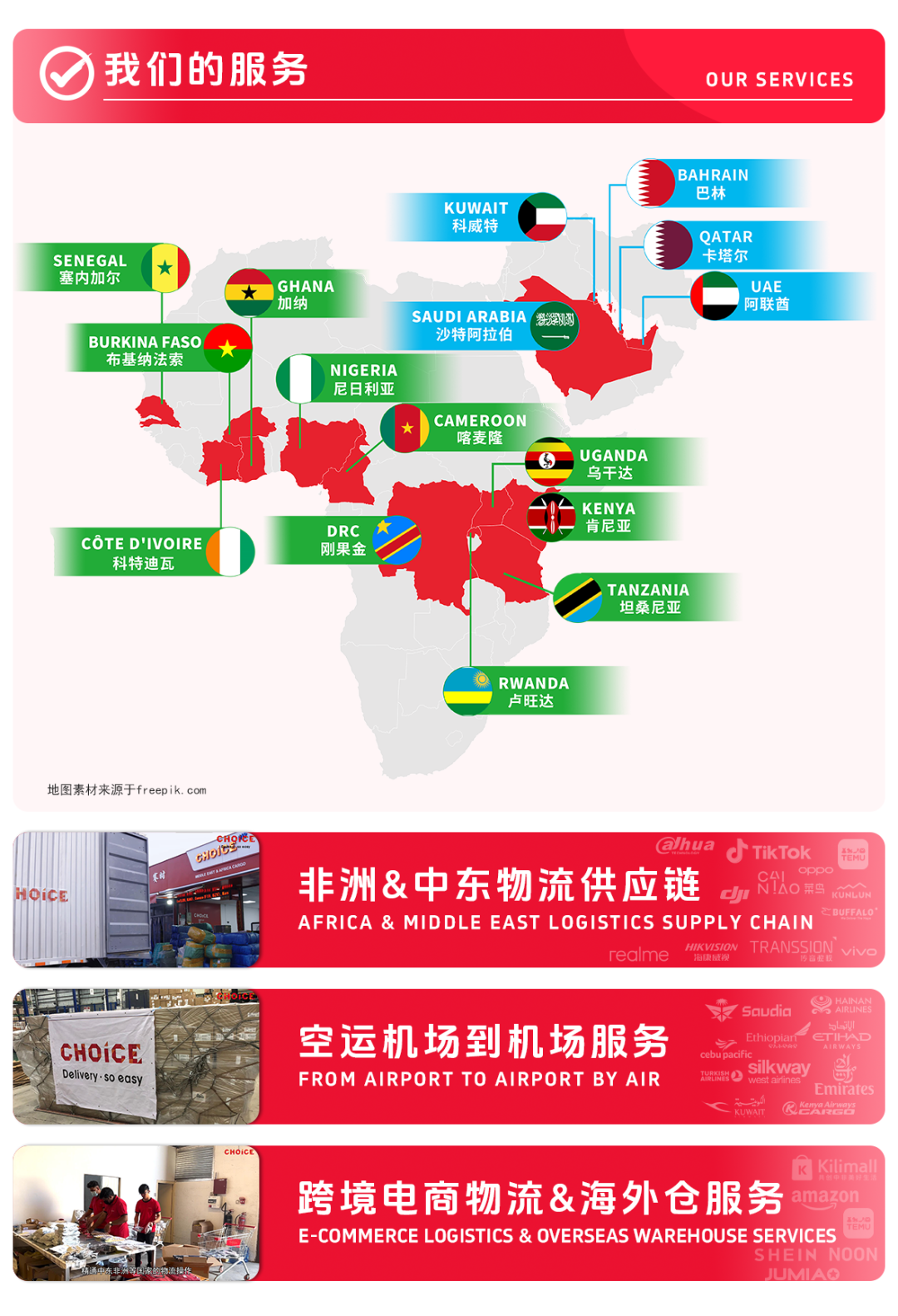
CHOICE International Freight, focusing on cross-border logistics in Africa & the Middle East. Founded in 1997, with 29 years of logistics experience, it provides one-stop cross-border logistics services such as air transportation, sea transportation, and overseas warehousing.
Tel: 400-613-8844