“This summer, sports are becoming a broader cultural language — influencing not only what people wear, but how they connect, celebrate and show up together.”
Preface
Sports are becoming the most powerful cultural language of this summer. In the Gulf, a shift in how people consume sports is already happening. For Chinese brands looking to expand overseas, understanding this change is the key to unlocking the Middle Eastern sports market.
Many Chinese exporters assume that sports consumption in the Middle East is just gym memberships, sneakers, and protein powders. But take a walk through the streets of Riyadh or Dubai, and you'll see something deeper at work: sports style is quietly finding its way into every part of daily Gulf life.
Recently, Pinterest and Levi's released their Summer 2026 Trends Report, with a telling observation:
“This summer, sports are becoming a broader cultural language — influencing not only what people wear, but how they connect, celebrate and show up together.”
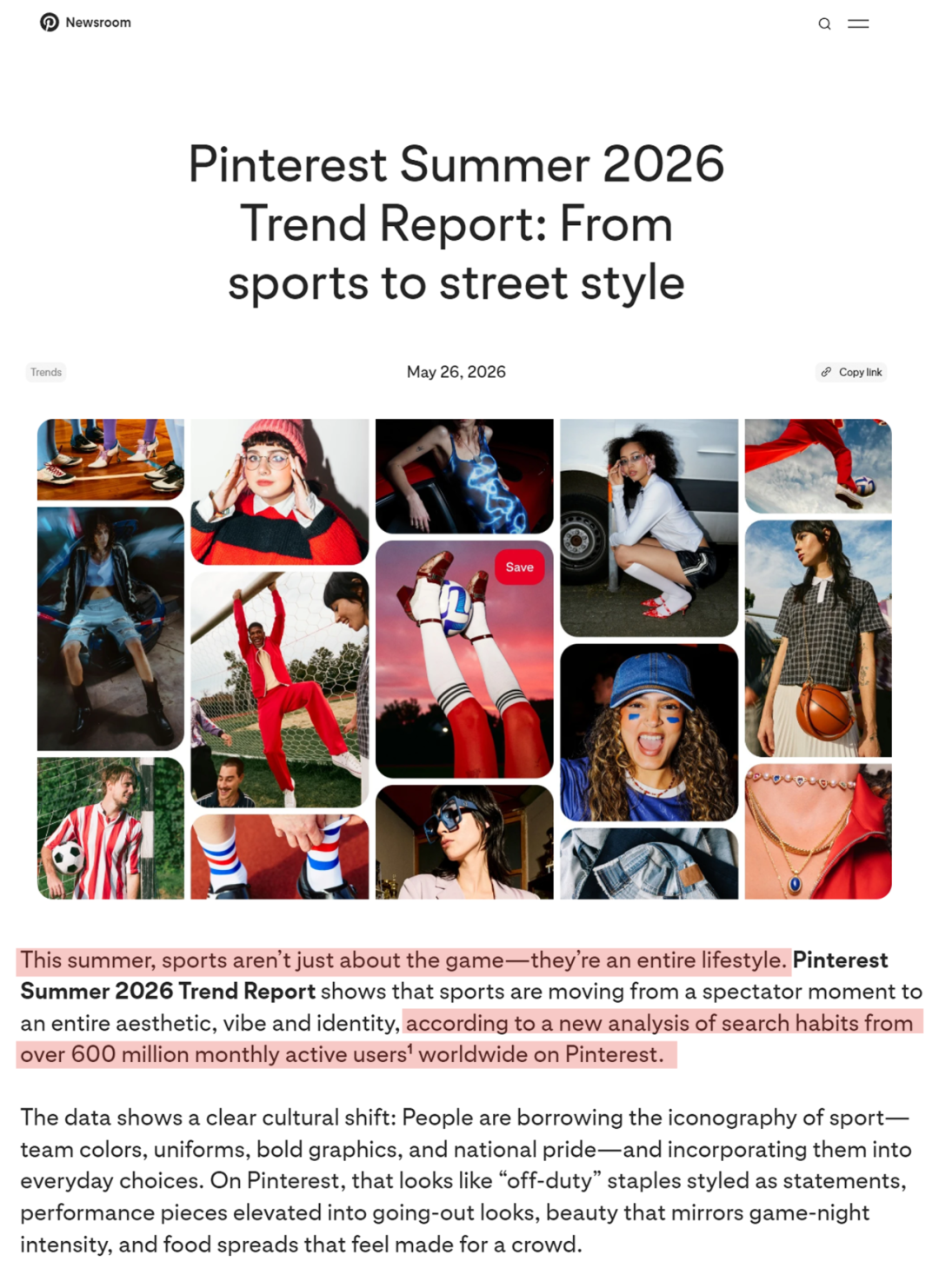
That statement is backed by real search data from over 600 million monthly active users on Pinterest. When a platform built on visual storytelling defines sports as a "cultural language" rather than a "product category," it points to a fundamental change: sports consumption is no longer mainly about performance features — it's about identity and lifestyle.
And in the Middle East — one of the youngest and most energetic regions in the world — this shift is happening faster and with more complexity than anywhere else.
01
The line between sports and everyday life is fading
In the past, sports consumption in the Gulf was tied to big events. People bought jerseys for the World Cup or the Asian Cup, wore workout gear to the gym, and then switched back to traditional or casual clothes afterward. Sports and daily life had clear boundaries.
Not anymore. Today's younger consumers are blurring those lines.
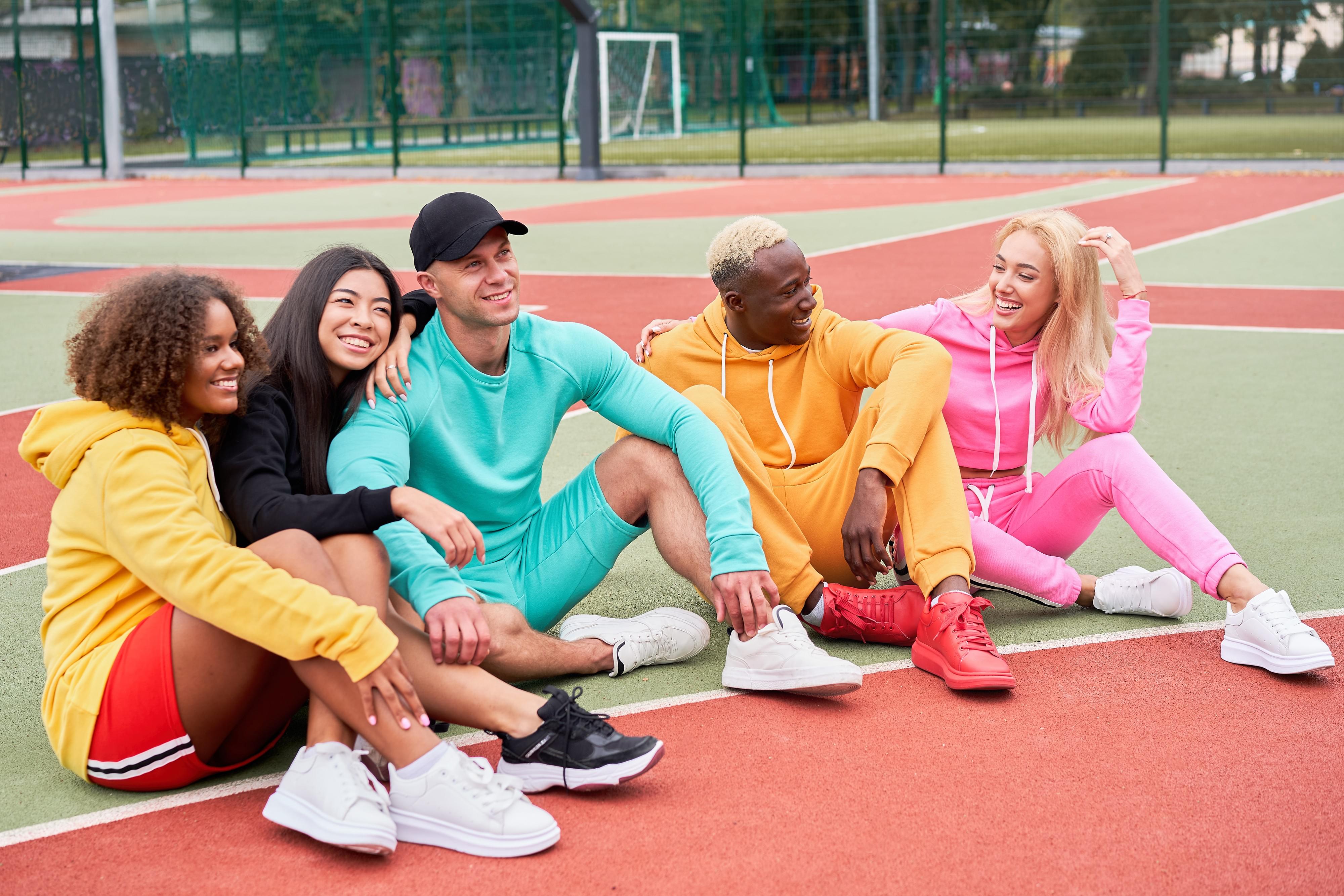
Yoga pants now appear as a "pass" to socialize on the street, in cafés, and in arts districts. Sports slides, utility vests, cycling shorts, and remade jerseys are showing up in commutes, friend hangouts, and even family dinners.
This is no longer a question of "what to wear for exercise." It's about "who I am."
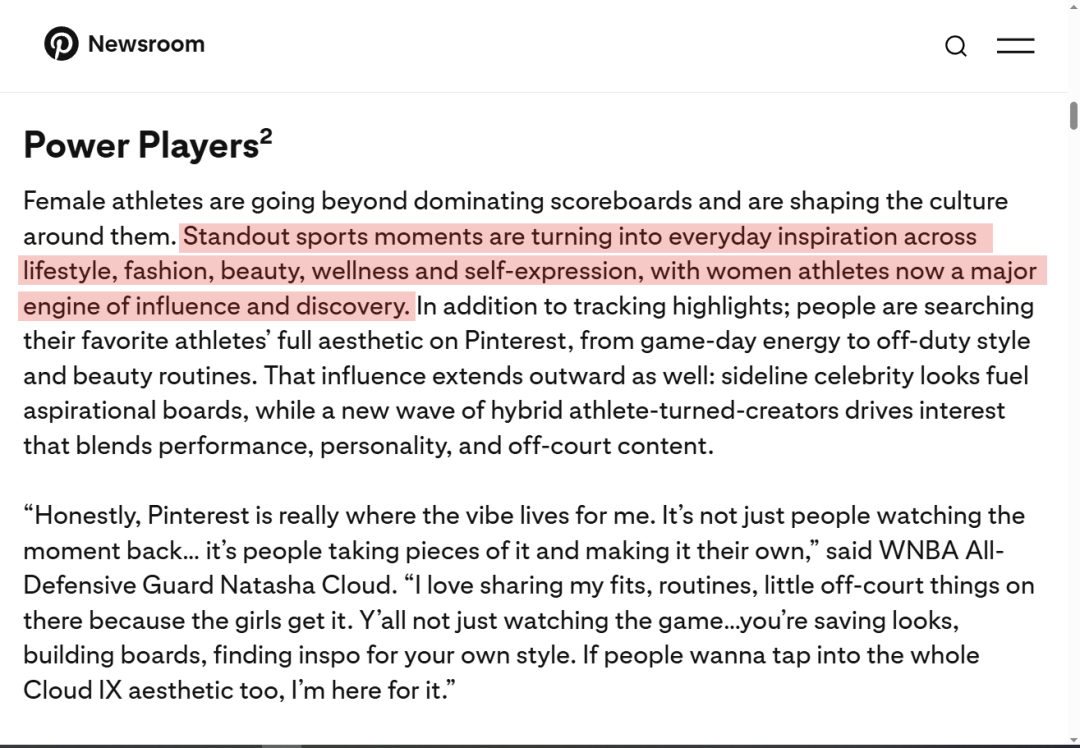
Pinterest's trend data backs this up: searches are moving beyond game schedules and gear specs, spreading into fashion, beauty, and even food. People are buying the look and feel of an active life — not just a piece of equipment.
If brands once grew by boasting about performance and technical specs, those are now just the basics. What makes someone want to post your product on social media, or use it to express their personal style, are exactly those "non-performance" qualities — the emotional and cultural appeal.
Today, sportswear in the region is designed with modesty in mind, using fabrics that suit the desert climate and pieces that work from the gym to the street. Breathable materials, easy layering, and all-day comfort are now must-haves.
02
From horseback to the pitch: the deep roots of Gulf sports culture
If Western sports fashion is about skate parks and street culture, the Middle Eastern take on sports style has a completely different DNA. It's not a copy of global trends — it's a blend of the Arabian Peninsula's nomadic heritage and modern self-expression.
Sports culture in the Gulf is woven into centuries-old traditions:
-
Equestrianism stands for family honor and refined elite taste.
-
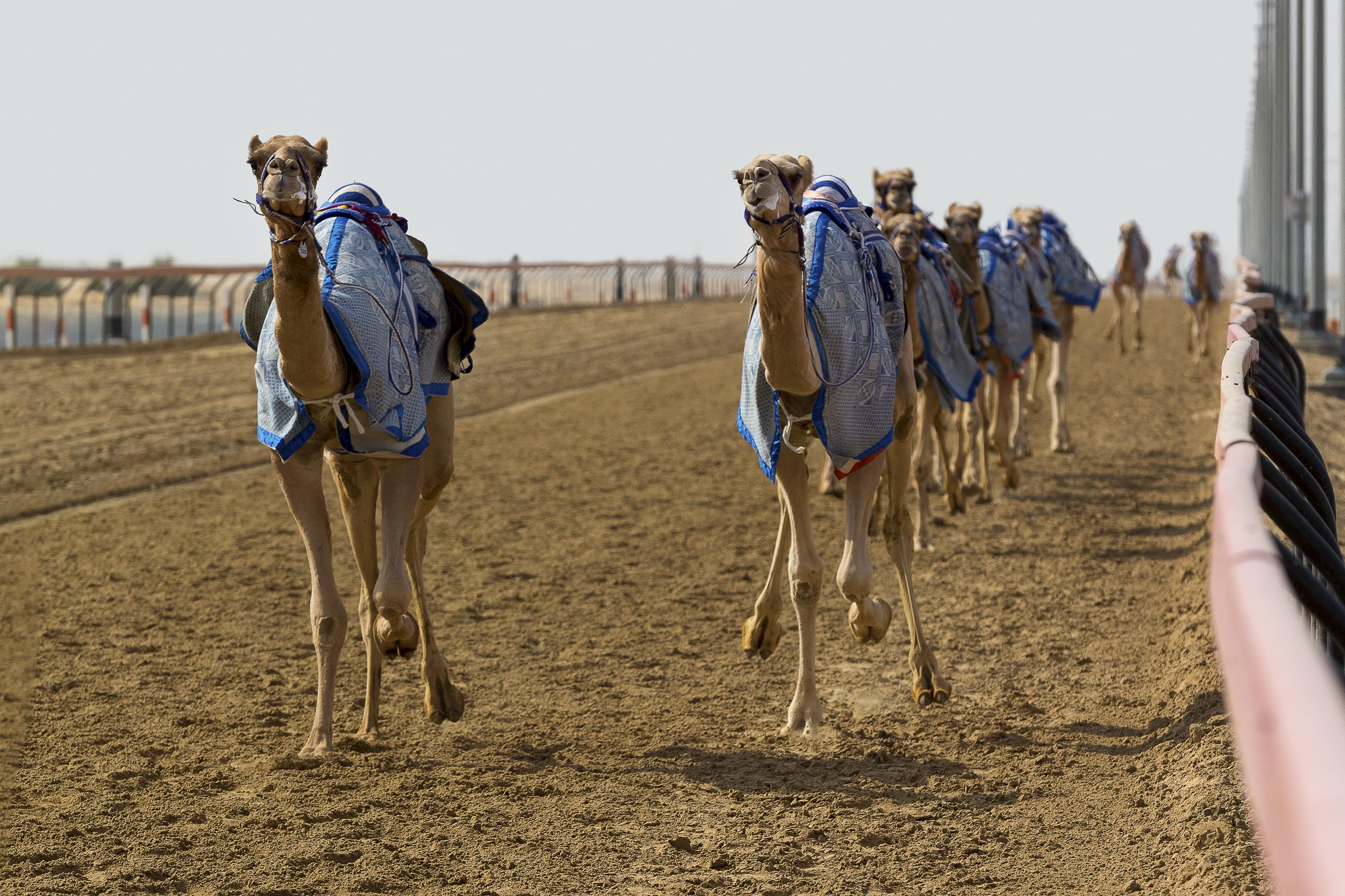
Falconry connects people to ancestral memories and the wild.
-
Desert off-roading reflects a love of freedom, strength, and taming nature.
Football and yoga, on the other hand, are the most powerful outlets for community and shared emotion in rapidly urbanizing cities.
This deep emotional connection is only getting stronger with the 2026 World Cup on the horizon. Even though the main matches are being played far away in North America, young Gulf consumers are turning the event into their own daily celebration — through ritual dressing, social gatherings, and shared experiences.
03
Between global and local: the rise of a "new mainstream" aesthetic
Young Gulf consumers are looking for something in between: a style that feels both globally modern and locally authentic.
They don't reject big global brands like Nike, adidas, or Lululemon. But they deeply want those brands' designs and stories to connect with their own culture. They love street-style athletic cuts, but they also hope to see hints of traditional equestrian details, geometric patterns from Sadu weaving, or desert-inspired colors like dune gold and Red Sea blue.
In other words, they want a sports lifestyle that has been "translated" through their own cultural lens.
This means the battleground for sports brands is shifting from technical specs to cultural storytelling. Consumers still care about breathability and sun protection, but they also care about the emotional value, warmth, and identity that a product carries.
Some international brands have already shown inspiring ways to tell local stories:
-
Releasing limited Ramadan collections with traditional silhouettes and desert tones.
-
Teaming up with local Gulf artists to weave Arabic calligraphy into street-functional pieces.
-
Reimagining equestrian heritage through modern visuals, giving high-end sports a fresh aesthetic.
These aren't just surface-level marketing stunts — they are genuine conversations between a brand and a culture.

For Chinese brands expanding globally, we have some of the most efficient and flexible supply chains in the world, with unbeatable value and function. But to truly stand out in the Gulf market, the real differentiator will be finding a brand story that resonates with local culture.
Under the global spotlight, local expression remains the way to reach people's hearts. Sports are a universal language — and their greatest beauty is that every culture can tell that language in its own voice.
This summer, as sports energy spills over and reshapes everyday life:
-
Products must carry emotion, not just function.
-
Brands must learn to tell stories, not just sell goods.
Whoever first grasps the cultural meaning and lifestyle desires behind the jersey for Middle Eastern consumers will find the shortest path between connection and conversion. Whoever understands culture will understand the future market. That may be the most important question for Chinese brands heading to the Gulf.

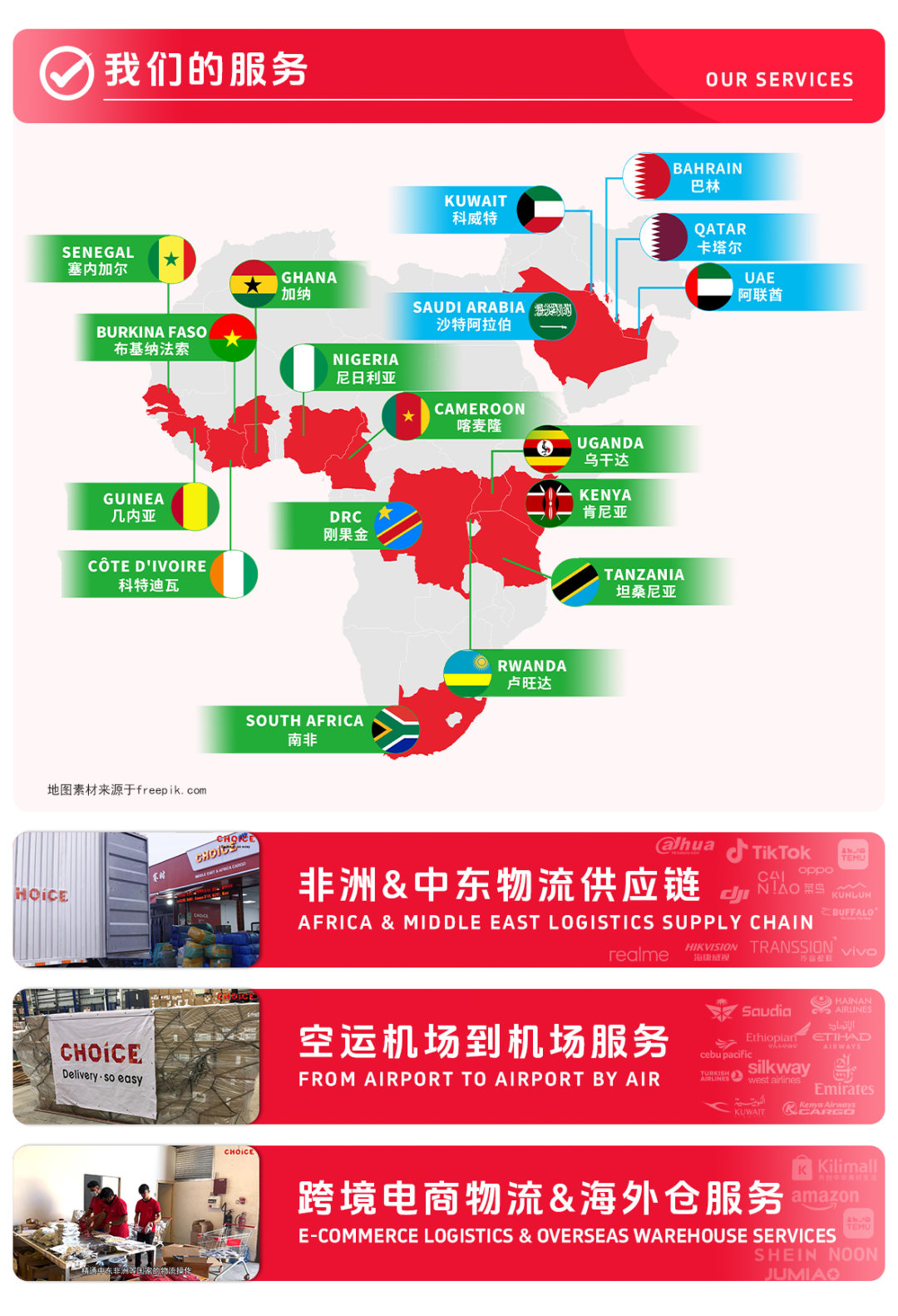

CHOICE International Freight, focusing on cross-border logistics in Africa & the Middle East. Founded in 1997, with 29 years of logistics experience, it provides one-stop cross-border logistics services such as air transportation, sea transportation, and overseas warehousing.
Tel: 400-613-8844