
Preface
AI is further influencing global physical supply chains at the software, model, and application levels.
Over the past few years, the main cargo drivers in the international air freight market have kept changing. During the pandemic, medical supplies were a key cargo type. Later, cross-border e-commerce became a major force. Now, in 2026, another higher-value category with stronger delivery requirements is gaining attention: AI hardware.
Data shows that from January to May this year, China’s exports of cloud computing equipment increased by 114.4% year on year, while exports of semiconductor equipment rose by 91.5%. AI-related freight demand also increased sharply.
More importantly, AI hardware is changing the value structure of air freight. According to IATA-related data, AI hardware accounts for only around 7% of total air cargo volume, but contributes 53.5% of total air cargo value.
AI hardware is not limited to chips. It also includes AI servers, storage devices, semiconductor manufacturing and testing equipment, networking equipment, and key infrastructure for data center construction. Large model training, cloud service expansion, and data center deployment may begin in the digital world, but they eventually depend on the cross-border delivery of physical equipment.
The Middle East represents significant growth, while Africa is a market with potential amid polarization
From a destination-market perspective, the Middle East is one of the most important growth areas to watch.
The UAE and Saudi Arabia are continuing to invest in artificial intelligence, cloud computing, and data center infrastructure. In Abu Dhabi, the first Stargate UAE cluster is planned at 1GW, with the first 200MW expected to go online in 2026. The wider AI campus is planned to reach a total capacity of 5GW.
Projects at this scale will create continued demand for servers, chips, storage systems, network equipment, and related infrastructure. Information released by OpenAI and G42 indicates that the first cluster is moving toward its 2026 operating target.
The importance of the Middle East is not only about the size of individual projects. National strategies, sovereign capital, cloud provider investment, and digital transformation needs are all moving in the same direction. For suppliers in China and across Asia, this may mean more frequent, more concentrated, and more time-sensitive exports of AI hardware.
Africa should be viewed in a more balanced way. Countries across the region differ greatly in power supply, network infrastructure, investment capacity, and data center development, so it would be inaccurate to describe Africa as one unified growth market.
However, markets with stronger foundations, such as South Africa, have already built advantages in cloud services, fintech, enterprise digitalization, and data center construction. In the future, AI hardware air freight demand in Africa may first emerge through a small number of regional hubs before expanding more broadly.
AI Demand May Overlap with the Traditional Peak Season
Many airlines expect strong demand for AI hardware shipped by air to continue into the second half of 2026.
The second half of every year is traditionally busy for air freight. Back-to-school demand, Black Friday, Christmas, and other shopping events usually increase transport demand for cross-border e-commerce, consumer electronics, apparel, and general cargo.
What makes this year different is that AI hardware is not a typical seasonal cargo category. Its demand is more closely linked to data center construction, cloud service expansion, and project delivery schedules. This makes its transport demand relatively rigid.

When the seasonal increase in cross-border e-commerce meets project-based deliveries of AI hardware, capacity pressure on popular air routes may appear earlier and become more structural.
IATA’s mid-year outlook for 2026 expects global air cargo revenue to reach USD 162 billion, up 7.2% year on year. However, higher industry revenue does not mean that all cargo types and all routes will grow at the same pace.
For other shippers, especially those moving general cargo or shipping at short notice, booking difficulties, freight rate volatility, and delivery uncertainty may increase on key routes and during critical shipping windows.
Looking ahead to the second half of the year, the focus is on planning logistics in advance.
Facing this new AI hardware variable, the practical advice is clear: secure cargo space early and build diversified capacity options.
For high-value hardware, project equipment, and urgent peak-season cargo, shippers should confirm shipment batches, delivery deadlines, and backup flight options as early as possible. Looking for space close to the shipping date often means higher costs and less certainty.
AI hardware and semiconductor products are not standard general cargo. They are usually high-value, time-sensitive, and highly precise. Delays, cargo damage, or handling errors may create significant delivery risks. At the same time, technology cycles are short and project delivery windows are often tight.
As some people in the industry put it: technology moves so fast that by the time cargo arrives by sea, the next generation of products may already be available.
In addition, AI hardware may require stricter handling standards during transport. Factors such as shock protection, moisture protection, anti-static measures, handling procedures, storage conditions, security, and customs coordination can all affect delivery quality.
That is why the key issue in AI hardware air freight is not only price or available space. It is also whether the logistics provider can offer project-based and customized services. Compared with standard cargo, AI hardware shipments often need early planning around project milestones, including route design, capacity booking, shipment batches, packing requirements, customs handling, and backup plans.
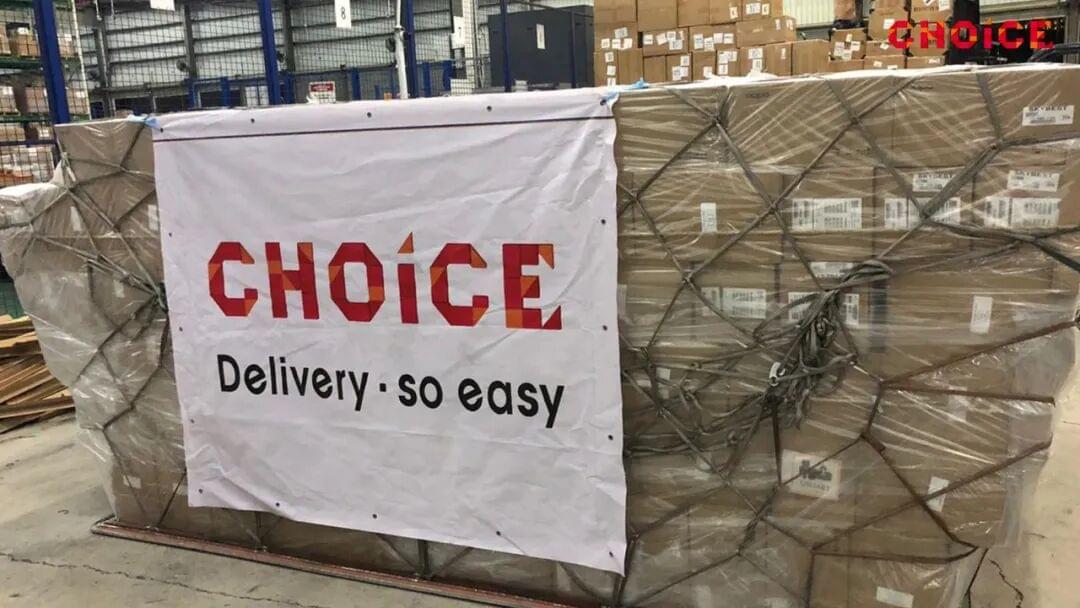
CHOICE AIR provides project logistics and customized air freight services. Based on cargo type, destination, delivery timeline, and project schedule, we help customers plan suitable transport routes and handling solutions.
As peak-season demand overlaps with AI hardware shipments in the second half of the year, early planning and suitable capacity arrangements can help reduce uncertainty and improve delivery reliability.

Overall, AI is moving beyond software, models, and applications. It is now reshaping the global physical supply chain.
Competition in the air freight market in H2 2026 will not be driven by the traditional peak season alone. The cross-border movement of high-value hardware for AI infrastructure may also become an important factor affecting cargo capacity, freight rates, and service capability.
Companies that identify this shift early, secure capacity in advance, and prepare diversified transport options will be in a stronger position when the peak season arrives.

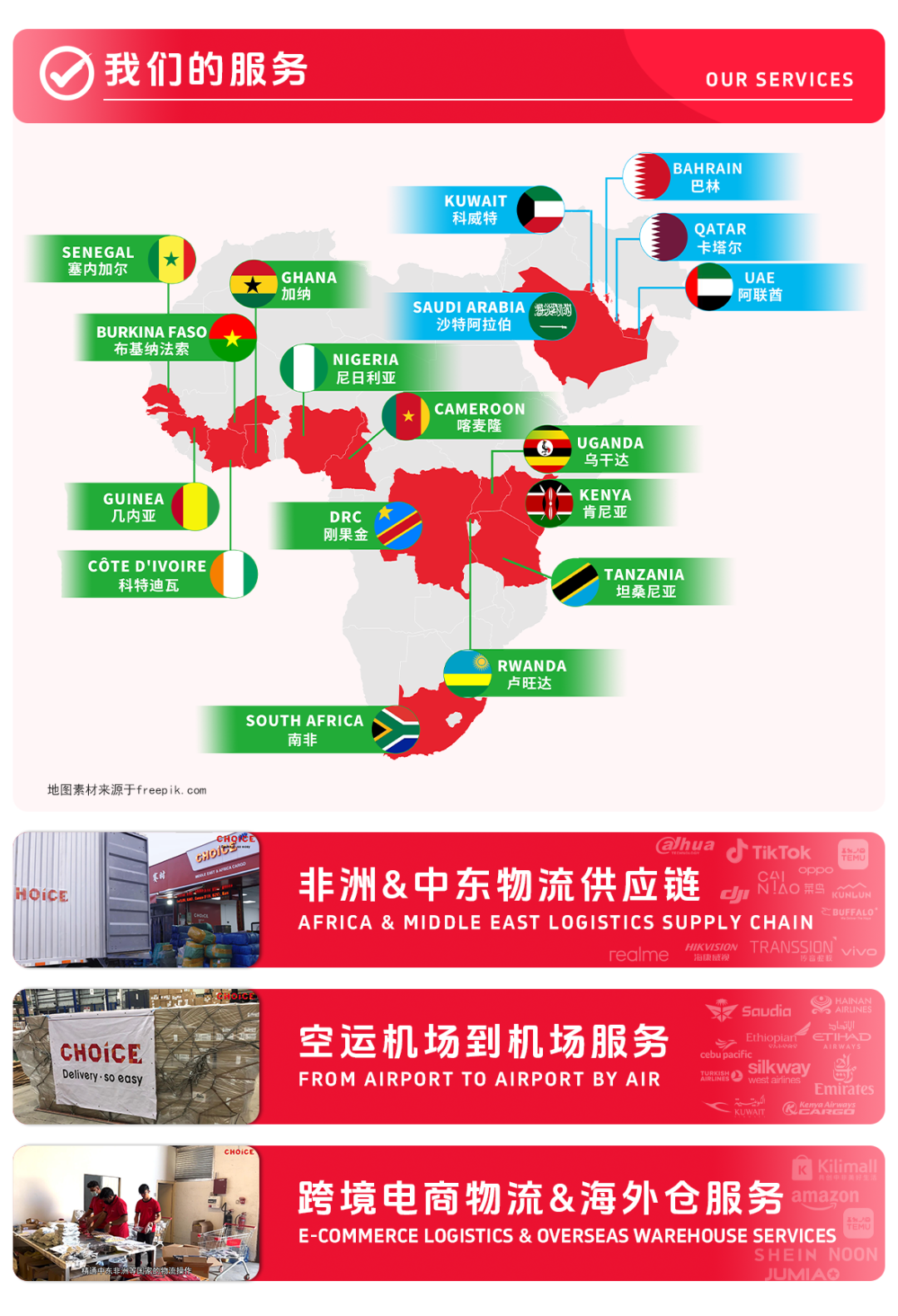


CHOICE International Freight, focusing on cross-border logistics in Africa & the Middle East. Founded in 1997, with 29 years of logistics experience, it provides one-stop cross-border logistics services such as air transportation, sea transportation, and overseas warehousing.
Tel: 400-613-8844